Deadly nightshade, scientifically known as Atropa belladonna, is one of the most toxic plants in the world. Its ominous name reflects its reputation as a plant of both beauty and danger. Native to Europe, North Africa, and parts of Asia, this perennial herb has a long history of use in medicine, folklore, and even poisonings.
Appearance of Deadly Nightshade
Flowers: Bell-shaped, purple-brown with a greenish tinge, blooming from midsummer to early autumn.
Fruits: Shiny black berries about the size of cherries, highly tempting in appearance but extremely toxic.
Leaves: Oval-shaped, dark green, and slightly pointed, often growing in pairs.
Height: Grows between 2 and 4 feet tall, with branching stems.
Toxic Compounds
Deadly nightshade contains powerful alkaloids, including:
-
Atropine
Scopolamine
Hyoscyamine
These alkaloids affect the central nervous system and can cause severe, life-threatening symptoms even in small amounts.
How Deadly Nightshade Affects the Body
The plant’s alkaloids act as anticholinergics, blocking the action of the neurotransmitter acetylcholine. This disrupts many vital bodily functions, leading to symptoms such as:
Symptoms of Poisoning
Dry mouth and difficulty swallowing
Blurred vision and dilated pupils (often associated with belladonna exposure)
Hallucinations and confusion
Rapid heartbeat (tachycardia)
Severe thirst
Fever and flushed skin
Seizures
Paralysis
Coma and death in severe cases due to respiratory failure
Danger to Humans and Animals
-
Humans:
Even 2-5 berries can be fatal for a child, while 10-20 berries can kill an adult.
The leaves and roots are also extremely toxic.
Pets and Livestock:
Animals like dogs, cats, and grazing livestock are at risk if they consume any part of the plant.
Symptoms include salivation, dilated pupils, restlessness, and convulsions.
How to Stay Safe
-
Avoid Handling the Plant:
Wear gloves if you need to remove it from your garden, as its toxins can be absorbed through the skin or mucous membranes.
Educate Children and Pets:
Teach children not to eat wild berries, no matter how tempting they look.
Keep pets away from areas where the plant grows.
Identify and Remove:
Familiarize yourself with the appearance of deadly nightshade and remove it if found near homes or playgrounds.
Interesting Facts About Deadly Nightshade
Name Origin: The name “belladonna” means “beautiful lady” in Italian, referring to its historical cosmetic use.
Symbolism: Often associated with death, danger, and mystery in folklore and literature.
Use in Medicine: Despite its toxicity, modern medicine still uses derivatives like atropine in controlled doses for various treatments.
Deadly Nightshade is a captivating and highly dangerous plant. While its striking appearance may add intrigue to gardens or wild landscapes, its toxic nature demands caution. By understanding its risks and historical significance, you can appreciate the fascinating story of deadly nightshade while ensuring the safety of yourself and those around you. Admire from afar, but never handle carelessly!
News
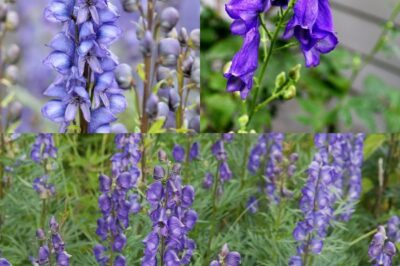
Monkshood: The Stunning Garden Flower That Can Kill — Uncover the Deadly Truth Behind Its Beauty!
Monkshood (Aconitum napellus), also known as wolf’s bane, devil’s helmet, or queen of poisons, is a strikingly beautiful yet highly toxic plant….
Lemongrass Leaves UNLOCKED: The Ancient Healing Secret with 10 Incredible Benefits You Should Be Using Daily!
Lemongrass (Cymbopogon citratus) is a fragrant herb commonly used in traditional medicine, cooking, and aromatherapy. Packed with essential nutrients, antioxidants, and therapeutic…

Mixing Eggs with Coffee? The SHOCKING Health Benefits Backed by Science You Never Expected!
You may have seen people online recommending a unique combo: mixing raw egg with coffee for a powerful health kick….

Nighttime Bliss in a Glass: This Creamy Banana-Avocado-Lemon Smoothie Is the Sleep Secret You’ve Been Missing!
What if a single, velvety smoothie could melt away the day’s exhaustion, soothe your body, and set the stage for…
WILD SPINACH MIRACLE: 10 Surprising Health Benefits of Lamb’s Quarters That Your Doctor Never Told You About!
What if the “weed” you’ve been yanking from your garden could be a nutritional powerhouse, quietly holding the key to…
You’ve Been Ignoring This Backyard Weed, But It’s Actually a POWERFUL HEALER – The SHOCKING Truth About Dandelion Root!
What if the pesky weed you’ve been pulling from your lawn is actually a wellness powerhouse in disguise? Dandelion (Taraxacum…
End of content
No more pages to load