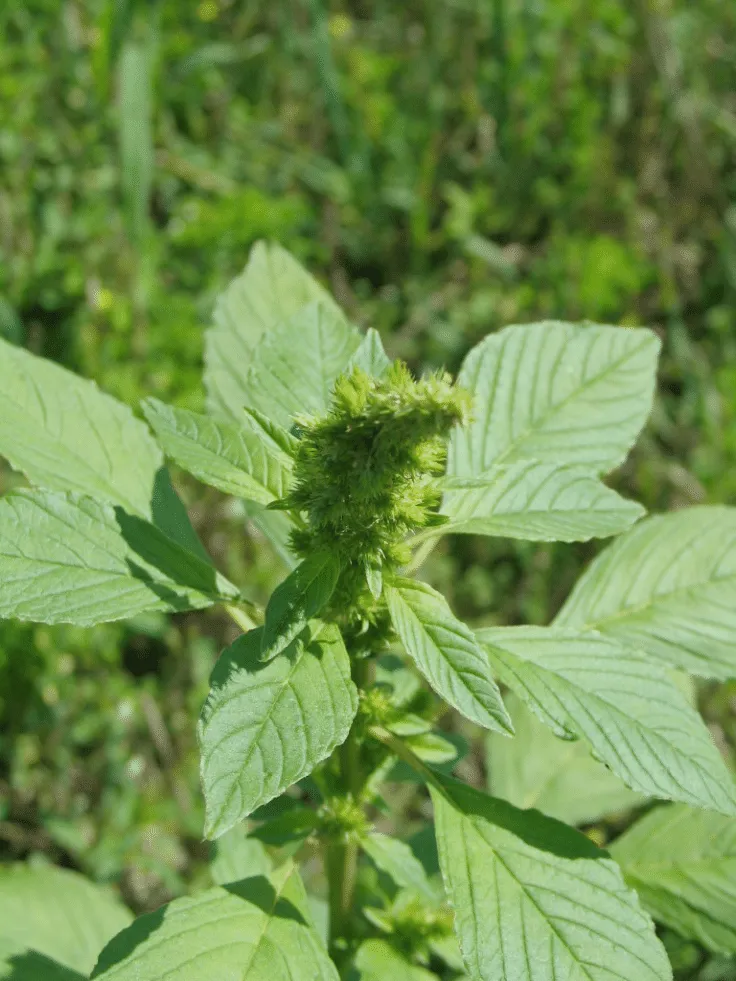
Pigweed, often referred to by its scientific name amaranth, is a nutrient-packed leafy green plant that has long held an esteemed place in global diets—especially in African, Indian, and Latin American cuisines. While it remains underutilized in many Western countries, pigweed is rich in vitamins, minerals, and antioxidants that can significantly enhance your overall health. This article explores ten powerful health benefits of pigweed greens and offers tips on how to incorporate them into your meals.
-
Packed with Essential Nutrients
Pigweed is an excellent source of vitamins A, C, and K. Vitamin A supports eye health and immune function, vitamin C is key for a strong immune system and skin elasticity, and vitamin K contributes to proper blood clotting and bone density. In addition, pigweed provides minerals like calcium, iron, magnesium, and potassium, which play critical roles in bone strength, muscle function, and cardiovascular health.

-
Digestive System Support
This leafy green is rich in dietary fiber, which supports regular bowel movements and prevents constipation. Fiber also plays a vital role in stabilizing blood sugar levels and reducing LDL cholesterol. By fostering beneficial gut bacteria, pigweed promotes a healthier gut and more efficient nutrient absorption.
Abundant in Antioxidants
Pigweed contains powerful antioxidants such as betalains and phenolic compounds. These substances help neutralize harmful free radicals in the body, reducing the risk of chronic conditions such as cancer and heart disease. By minimizing oxidative stress, these antioxidants may also help slow the aging process and protect cellular health.
Strengthens Bone Health
The high levels of calcium and vitamin K found in pigweed contribute to the development and maintenance of strong bones. These nutrients help in bone mineralization and support bone density, making pigweed a great plant-based option for those who are lactose intolerant or avoiding dairy.

-
Enhances Immune System
Vitamin C and beta-carotene in pigweed strengthen immune function. Vitamin C boosts white blood cell production, while beta-carotene, which the body converts to vitamin A, helps maintain the integrity of the skin and mucous membranes—your body’s first line of defense against pathogens.
Supports Cardiovascular Health
Pigweed’s potassium content helps control blood pressure by counteracting sodium levels in the body. Combined with its cholesterol-lowering fiber and protective antioxidants, pigweed contributes to a healthier heart by preventing arterial damage and supporting proper blood circulation.
Aids in Weight Management
Low in calories but rich in fiber and essential nutrients, pigweed is ideal for anyone trying to manage or reduce their weight. The fiber promotes satiety, helping to control hunger and reduce calorie intake. Its versatility also makes it easy to incorporate into various meals without significantly affecting calorie counts.
Helps Regulate Blood Sugar
Thanks to its low glycemic index and fiber content, pigweed helps stabilize blood sugar levels. This makes it a beneficial food for people with diabetes or those at risk of developing the condition. Emerging research suggests that pigweed may also improve insulin sensitivity, aiding in better glucose control.
Contains Anti-Inflammatory Properties
Chronic inflammation is a known contributor to many health issues, including arthritis, cardiovascular disease, and autoimmune conditions. Pigweed is rich in anti-inflammatory compounds such as polyphenols and flavonoids, which can help reduce inflammation and relieve symptoms like joint pain and swelling.

-
Promotes Healthy Skin and Hair
Pigweed’s high levels of vitamins A and C contribute to skin regeneration and elasticity by stimulating collagen production. Antioxidants in the plant help protect the skin and hair from damage caused by environmental factors like UV rays and pollution. Zinc and iron found in pigweed also support healthy hair growth by improving circulation and cell renewal.
Ways to Enjoy Pigweed in Your Diet
Adding pigweed to your meals is simple and can be done in a variety of ways:
In Salads: Add raw pigweed leaves to your favorite salad mix for a vitamin-rich boost.
In Soups: Cook pigweed with your broth-based or hearty soups to enhance flavor and nutrition.
Stir-Fried: Sauté it with garlic, onions, and olive oil for a quick and nutritious side dish.
In Smoothies: Blend pigweed with bananas, spinach, or berries for a refreshing green smoothie.
Juicing: Combine pigweed with other leafy greens, apples, and lemon for a detoxifying drink.

Pigweed is a true superfood that deserves more attention. Its wide array of health benefits—from supporting the immune system and bones to promoting healthy skin and aiding digestion—makes it a valuable addition to any diet. With its impressive nutrient profile and culinary flexibility, pigweed can be easily included in everyday meals.

Whether you’re interested in improving digestion, managing weight, boosting immunity, or simply trying a new healthy ingredient, pigweed greens are worth exploring. Make pigweed a part of your wellness journey and experience the natural benefits of this remarkable green.
News

🌿 From Bald Spot to Hair God: How Rosemary, Ginger, and Olive Oil Might Just Be the Holy Trinity Your Scalp’s Been Begging For
Okay, listen up. If your hairbrush looks like it’s auditioning for a horror movie every time you run it through…

Don’t Toss That Corn Silk! Boil It, Sip It, and Watch Your Body Say “Thanks!”
Let’s get something straight: if you’ve been throwing out that shiny golden corn silk like it’s useless trash, you might…

I Started Eating Flaxseeds Every Day—Now My Gut’s Happy, My Skin’s Glowing, and I Poop Like Royalty 💩✨
Alright, y’all. Let’s talk about something small… but mighty. Something your grandma probably had in a mason jar next to…

🧄🍋 Unlock Peak Performance (Without Pills): Why Real Men Are Turning to Garlic and Lemon for Energy, Blood Flow, and That Extra Edge Every Day Needs 💪🔥
Alright, buckle up. We’re about to dive into the most badass kitchen combo since sliced bread—and we’re not talking about…

🥔 STOP Planting Whole Potatoes Like a Rookie — Here’s Why Cutting Them First Can Literally Triple Your Harvest, Save You Money, and Keep Your Garden Healthier Than Ever 💥🌱
Alright, let’s talk potatoes. Not the kind you buy in a plastic bag that’s been sitting in a warehouse since…

🍯💥 Most People Have No Clue What This Combo Can Do: Mix Honey, Lemon, Onion, Garlic & Ginger — Take Just ONE Teaspoon a Day and Watch What Happens to Your Body (It’s Honestly Wild 😳)
Title: Your Morning Spoonful of Kick-Ass Medicine (No Prescription Needed) Alright folks, listen up — we’re about to blow the…
End of content
No more pages to load