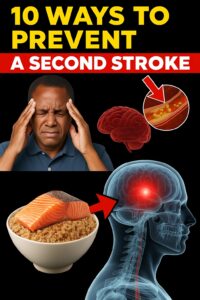
10 Practical Ways to Lower Your Risk of a Second Stroke
Experiencing a stroke can drastically change your life—but facing a second one could be even more devastating. Statistically, roughly 25% of stroke survivors are at risk of another stroke. The encouraging news is that with proactive habits and consistent medical care, many recurrent strokes are entirely preventable. Here are ten science-backed strategies you can begin applying today:
1. Stick to Your Medication Plan
Taking your prescribed medications consistently is essential. Whether you’re on blood thinners, cholesterol-lowering statins, or medications for high blood pressure, these treatments are designed to address the root causes of stroke. Skipping doses or stopping treatment without medical advice puts you at serious risk.
2. Maintain Healthy Blood Pressure Levels
Uncontrolled high blood pressure remains the top risk factor for both initial and recurrent strokes. Aim for readings around 120/80 mmHg. Regular home monitoring, a low-sodium diet, and lifestyle adjustments can help keep your blood pressure within a safe range.
3. Keep Diabetes Under Control
For those living with diabetes, managing blood sugar levels is critical. Poor glycemic control increases vascular damage, making a second stroke more likely. Follow your doctor’s treatment plan, monitor your glucose levels, and maintain a balanced diet to keep your HbA1c in check.
4. Stop Smoking Completely
Tobacco use is strongly linked to increased stroke risk due to its damaging effects on the cardiovascular system. Quitting—even after years of smoking—can significantly reduce your chances of another stroke. Seek support if needed; it’s never too late to quit.
5. Follow a Stroke-Smart Diet
Adopt a dietary approach that supports heart and brain health. The Mediterranean diet is an excellent choice—rich in fruits, vegetables, legumes, nuts, whole grains, lean proteins, and healthy fats like olive oil. These foods help control cholesterol, reduce inflammation, and support healthy circulation.
6. Incorporate Regular Physical Activity
Physical activity plays a key role in stroke prevention. Aim for at least 30 minutes of moderate movement, such as walking or swimming, five days a week. Exercise helps regulate blood pressure, manage weight, and improve overall cardiovascular health.
7. Moderate or Eliminate Alcohol Consumption
Drinking excessively can disrupt your blood pressure and increase the risk of irregular heart rhythms. If you drink, keep it within recommended limits: no more than one drink per day for women and two for men—or consider abstaining entirely if advised by your healthcare provider.
8. Screen for Sleep Apnea
Sleep apnea often goes unnoticed but can be a hidden contributor to stroke risk. If you snore loudly, feel excessively tired during the day, or wake up gasping, consult your doctor about a sleep study. Treating sleep apnea can significantly lower your risk.
9. Reach and Maintain a Healthy Weight
Being overweight increases the likelihood of conditions like hypertension and diabetes—both major contributors to stroke. Work with a dietitian or healthcare provider to set realistic weight goals and create a sustainable eating plan.
10. Stay Engaged with Your Medical Team
Ongoing follow-up appointments are not just routine—they’re vital. Your healthcare provider can track your recovery, adjust medications, and identify early warning signs of complications. Never skip check-ups, even if you feel fine.
Final Thought
Preventing a second stroke is not just possible—it’s empowering. With consistent effort and the right habits, you can greatly improve your quality of life and reduce the risk of future complications. Recovery is a long road, but each step forward is a step toward greater strength and peace of mind.
News

🌿 From Bald Spot to Hair God: How Rosemary, Ginger, and Olive Oil Might Just Be the Holy Trinity Your Scalp’s Been Begging For
Okay, listen up. If your hairbrush looks like it’s auditioning for a horror movie every time you run it through…

Don’t Toss That Corn Silk! Boil It, Sip It, and Watch Your Body Say “Thanks!”
Let’s get something straight: if you’ve been throwing out that shiny golden corn silk like it’s useless trash, you might…
I Started Eating Flaxseeds Every Day—Now My Gut’s Happy, My Skin’s Glowing, and I Poop Like Royalty 💩✨
Alright, y’all. Let’s talk about something small… but mighty. Something your grandma probably had in a mason jar next to…

🧄🍋 Unlock Peak Performance (Without Pills): Why Real Men Are Turning to Garlic and Lemon for Energy, Blood Flow, and That Extra Edge Every Day Needs 💪🔥
Alright, buckle up. We’re about to dive into the most badass kitchen combo since sliced bread—and we’re not talking about…

🥔 STOP Planting Whole Potatoes Like a Rookie — Here’s Why Cutting Them First Can Literally Triple Your Harvest, Save You Money, and Keep Your Garden Healthier Than Ever 💥🌱
Alright, let’s talk potatoes. Not the kind you buy in a plastic bag that’s been sitting in a warehouse since…
🍯💥 Most People Have No Clue What This Combo Can Do: Mix Honey, Lemon, Onion, Garlic & Ginger — Take Just ONE Teaspoon a Day and Watch What Happens to Your Body (It’s Honestly Wild 😳)
Title: Your Morning Spoonful of Kick-Ass Medicine (No Prescription Needed) Alright folks, listen up — we’re about to blow the…
End of content
No more pages to load