Early detection is key to increasing the chances of survival. Understanding and recognizing the early warning signs of pancreatic cancer could potentially save your life. 8 Silent Signs of Pancreatic Cancer You Should Never Ignore.

Pancreatic Cancer: 8 Silent Warning Signs You Should Never Ignore
Pancreatic cancer is notorious for being one of the deadliest forms of cancer—often dubbed the “silent killer” because it rarely causes symptoms until it’s advanced. By the time most people are diagnosed, the cancer has often already spread, making effective treatment a challenge.
Early detection is critical. Recognizing the subtle warning signs of pancreatic cancer could save your life or the life of someone you love. In this article, we’ll highlight 8 crucial symptoms to watch for, and explain why acting quickly is so important.
🩺 What Is Pancreatic Cancer?
Pancreatic cancer develops when malignant cells form in the tissues of the pancreas—a vital gland located deep in your abdomen, behind the stomach. The pancreas aids in digestion and controls blood sugar. Unfortunately, its hidden location means tumors can grow undetected until they cause serious problems.
🔍 8 Early Symptoms of Pancreatic Cancer You Must Know
1. Persistent Abdominal Pain or Discomfort
One of the earliest and most common symptoms is pain in the upper abdomen. This pain might:
Radiate to your back
Worsen after eating or when lying down
Be persistent and dull, or sometimes sharp and severe
Don’t brush off unexplained or ongoing abdominal pain—it could be more than just indigestion.
2. Unexplained, Sudden Weight Loss
Have you lost weight without trying? Rapid, unintentional weight loss is a major red flag. Pancreatic cancer can:
Disrupt digestion
Suppress appetite
Prevent your body from absorbing nutrients
Cause loss of muscle and fat
If you’re shedding pounds without changing your diet or exercise, see a doctor immediately.

3. Jaundice (Yellowing of Skin and Eyes)
A classic sign of pancreatic cancer is jaundice—yellowing of the skin and eyes. This happens when:
A tumor blocks the bile duct
Bilirubin builds up in your blood
Other signs include:
Itchy skin
Dark urine
Pale or clay-colored stools
Jaundice is always a reason to seek medical attention right away.
4. Loss of Appetite and Early Fullness
Do you get full quickly or lose interest in food? Tumors can:
Press against your stomach
Disrupt digestion
Cause nausea or a feeling of fullness after just a few bites
Persistent appetite loss—especially with weight loss or fatigue—is a warning sign.
5. Digestive Distress: Nausea, Vomiting, Diarrhea
Pancreatic cancer often brings digestive issues:
Nausea and vomiting
Diarrhea or greasy stools
Indigestion and bloating
These occur when the pancreas isn’t making enough enzymes to digest food. Chronic digestive problems should always be checked out.

6. Extreme Fatigue and Weakness
Are you constantly tired, even after a good night’s sleep? Cancer-related fatigue can be caused by:
Your body’s immune response to cancer
Poor nutrient absorption
Loss of appetite and weight
If fatigue is interfering with your daily life, talk to your healthcare provider.
7. Dark Urine and Light-Colored Stools
Changes in urine and stool color may signal a blocked bile duct:
Dark urine from bilirubin buildup
Pale stools from reduced bile flow
May be accompanied by itchy skin or digestive discomfort
These symptoms often appear alongside jaundice and should never be ignored.
8. New-Onset Diabetes or Blood Sugar Issues
Have you recently developed type 2 diabetes without a clear reason? Pancreatic cancer can interfere with insulin production, leading to:
Sudden diabetes diagnosis
Fluctuating blood sugar
Excessive thirst, hunger, or urination
If you’re over 50 and develop diabetes—especially with weight loss—ask your doctor about screening.

🧠 Why You Shouldn’t Ignore These Symptoms
Pancreatic cancer can mimic common digestive problems like reflux, gastritis, or IBS. But when symptoms persist, worsen, or appear together (such as weight loss + jaundice + abdominal pain), it’s crucial to get tested. Early diagnosis means more treatment options and better chances of survival.
🩺 Who’s at Risk? Key Risk Factors
Anyone can develop pancreatic cancer, but your risk increases if you:
Are over age 50
Have a family history of pancreatic cancer
Suffer from chronic pancreatitis
Smoke or drink heavily
Are overweight or eat an unhealthy diet
Have diabetes
If you have these risk factors and experience the symptoms above, don’t hesitate to speak to your doctor.
✅ What Should You Do Next?
Listen to your body: Don’t ignore persistent or unusual symptoms.
Get regular checkups: Especially if you have a family history or risk factors.
Live healthy: Eat plenty of vegetables, whole grains, and lean proteins.
Avoid smoking and limit alcohol: Both increase cancer risk.
Exercise regularly: This helps regulate blood sugar and strengthens your immune system.
🔚 Final Thoughts: Stay Alert, Stay Informed
Pancreatic cancer is deadly, but not unbeatable—especially when caught early. These 8 silent warning signs could be your body’s only way of signaling trouble. Don’t ignore them.
If you or someone you know experiences any of these symptoms—especially in combination—seek medical advice immediately. Early action can make all the difference in treatment success and survival.
News

The Secret Superfood in Your Backyard: Pigweed, also known as amaranth, is a nutrient powerhouse with 10 surprising health benefits.
The Secret Superfood in Your Backyard: Pigweed, also known as amaranth, is a nutrient powerhouse with 10 surprising health benefits….
Nature’s Miracle Cure: Discover how Purple Maguey can help alleviate urinary infections, asthma, diabetes, and more.
Nature’s Miracle Cure: Discover how Purple Maguey can help alleviate urinary infections, asthma, diabetes, and more. The Purple Maguey:…

The Sunflower Seed Truth: 16 surprising benefits and risks you need to know. From boosting heart health to potential allergic reactions, get the inside scoop!
The Sunflower Seed Truth: 16 surprising benefits and risks you need to know. From boosting heart health to…
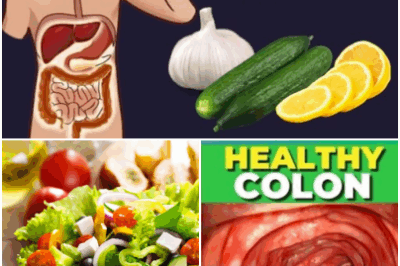
we often spotlight the heart, skin, or brain. But the colon? It’s often overlooked. A clean, well-functioning colon means better nutrient absorption, efficient toxin elimination, and more energy. Please care and clean according to the following method.
we often spotlight the heart, skin, or brain. But the colon? It’s often overlooked. A clean, well-functioning colon means…

Say Goodbye to Gray Hair: Discover the natural recipe that can help slow down graying. Rosemary might be the answer you’ve been looking for!
Say Goodbye to Gray Hair: Discover the natural recipe that can help slow down graying. Rosemary might be the…
The Okra Truth: 10 surprising facts you need to know before adding okra to your diet.
The Okra Truth: 10 surprising facts you need to know before adding okra to your diet. 10 Essential Secrets About…
End of content
No more pages to load