Making coconut oil at home doesn’t have to be complicated. We want you to explain a traditional yet simple method that starts by heating the whole coconut, followed by extracting the natural oil. Here’s a complete step-by-step guide.

What You’ll Need:
1–2 whole mature coconuts (brown, hairy type)
Stove or open flame
Knife or hammer
Blender or grater
Fine cloth or sieve
Pan or pot
A bowl or jar for storing the oil
Step-by-Step Process
Step 1: Heat the Whole Coconut (optional but helpful)
Why: Slightly heating the coconut (as shown in the left image) over a flame helps loosen the shell from the meat, making it easier to crack and extract.
Hold the coconut over a medium flame for 1–2 minutes, rotating gently.
Caution: Don’t leave the coconut too long on direct flame to avoid burns or cracks in unsafe directions.
Step 2: Crack Open the Coconut
Use a heavy knife, hammer, or mallet to break the coconut in half.
Drain the water inside and save it if you wish (can be consumed or used in smoothies).
Step 3: Remove the Coconut Meat
Use a knife or coconut scraper to separate the white flesh from the shell.
Wash it to remove any brown skin bits if you prefer a cleaner oil.
Step 4: Blend or Grate the Coconut
Cut the meat into small pieces.
Blend with warm water (about 2:1 water to coconut ratio) until you get a thick, milky paste.
Alternatively, grate the coconut manually and mix with warm water.
Step 5: Extract the Coconut Milk
Pour the blended coconut into a cheesecloth or fine strainer.
Squeeze and extract as much milk as possible into a bowl.
Discard or compost the dry coconut pulp.
Step 6: Let the Milk Rest
Leave the bowl of coconut milk covered in a cool spot or fridge for 12–24 hours.
The cream will separate and float to the top.
Step 7: Cook the Coconut Cream
Skim off the top creamy layer and place it in a pan.
Heat on medium-low flame, stirring frequently.
The cream will start to curdle and release oil. This takes about 30–45 minutes.
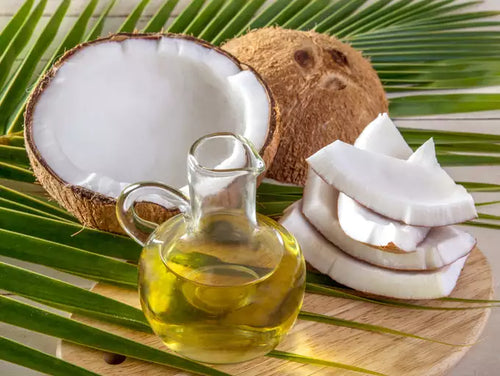
Continue until the oil becomes clear and golden (like in the right image), and solids become brown and separate.
Step 8: Strain and Store
Strain the hot oil using a fine mesh or cloth into a dry, clean jar.
Let it cool, then seal with a lid.
Store at room temperature for up to 6 months, or longer in the fridge.
Benefits of Homemade Coconut Oil:
Chemical-free & unrefined
Rich in lauric acid, antioxidants, and vitamin E
Great for cooking, hair, skin care, oil pulling, and natural remedies
With just a coconut, water, and a bit of patience, you can make your own pure, aromatic, and nourishing coconut oil right in your kitchen.
News

Monkshood: The Stunning Garden Flower That Can Kill — Uncover the Deadly Truth Behind Its Beauty!
Monkshood (Aconitum napellus), also known as wolf’s bane, devil’s helmet, or queen of poisons, is a strikingly beautiful yet highly toxic plant….

Deadly Nightshade EXPOSED: The Alluring Beauty with a Dark, Poisonous Past That Still Haunts the World Today
Deadly nightshade, scientifically known as Atropa belladonna, is one of the most toxic plants in the world. Its ominous name reflects…
Lemongrass Leaves UNLOCKED: The Ancient Healing Secret with 10 Incredible Benefits You Should Be Using Daily!
Lemongrass (Cymbopogon citratus) is a fragrant herb commonly used in traditional medicine, cooking, and aromatherapy. Packed with essential nutrients, antioxidants, and therapeutic…

Mixing Eggs with Coffee? The SHOCKING Health Benefits Backed by Science You Never Expected!
You may have seen people online recommending a unique combo: mixing raw egg with coffee for a powerful health kick….

Nighttime Bliss in a Glass: This Creamy Banana-Avocado-Lemon Smoothie Is the Sleep Secret You’ve Been Missing!
What if a single, velvety smoothie could melt away the day’s exhaustion, soothe your body, and set the stage for…

WILD SPINACH MIRACLE: 10 Surprising Health Benefits of Lamb’s Quarters That Your Doctor Never Told You About!
What if the “weed” you’ve been yanking from your garden could be a nutritional powerhouse, quietly holding the key to…
End of content
No more pages to load