While mangoes are well known for their delicious fruit, the leaves of the mango tree (Mangifera indica) are a hidden gem in traditional and natural medicine. When combined with cloves, another powerhouse herb, the result is a healing tea that supports blood sugar balance, respiratory health, and digestion.
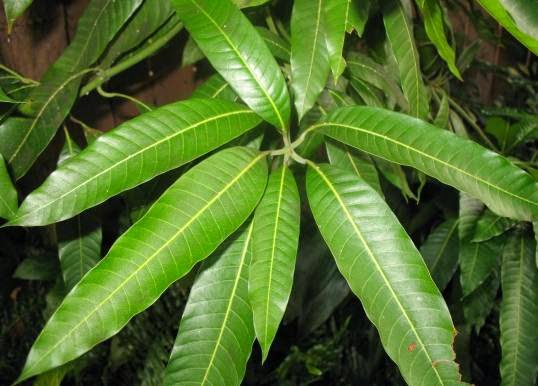
This tea is gaining attention for its anti-inflammatory, antioxidant, and antimicrobial properties—making it an easy, natural remedy to add to your wellness routine.
Benefits of Mango Leaf and Clove Tea
1.Regulates Blood Sugar Levels
Mango leaves contain mangiferin, a bioactive compound that helps reduce blood sugar spikes and improves insulin sensitivity.
Cloves support pancreatic function and help regulate glucose metabolism.
Ideal for people with prediabetes or type 2 diabetes (consult your doctor before use).
2.Supports Respiratory Health
The anti-inflammatory and antimicrobial properties of both ingredients help clear nasal congestion, ease asthma, and reduce cough.
Acts as a natural decongestant and soothes irritated airways.
3.Fights Inflammation and Pain
Both mango leaves and cloves are rich in antioxidants that help combat inflammation.
Can ease joint pain, swelling, and chronic fatigue caused by internal inflammation.
4.Improves Digestion and Gut Health
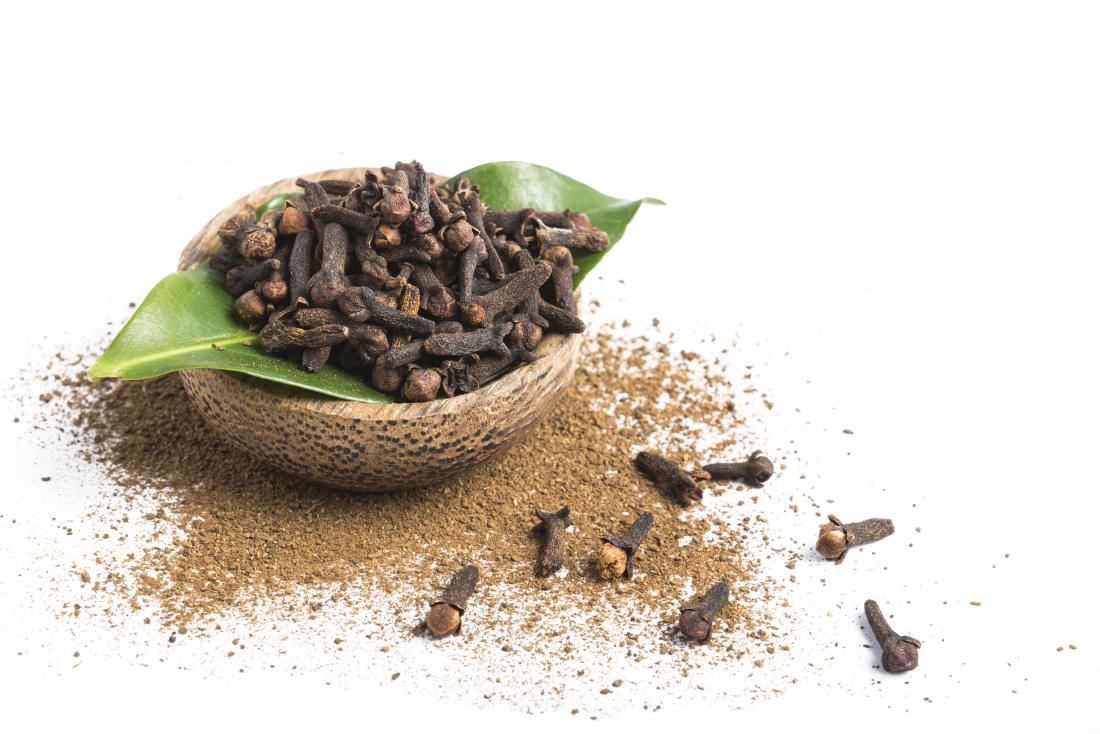
Cloves stimulate digestive enzymes and reduce bloating, gas, and indigestion.
Mango leaves protect the stomach lining and soothe acidity or reflux.
5.Promotes Relaxation and Sleep
The natural oils in cloves and mango leaves have a mild sedative effect.
Drinking this tea in the evening may promote better sleep and relaxation.
How to Make Mango Leaf Tea with Cloves
Ingredients:
5–6 fresh mango leaves (or 1 tablespoon dried mango leaves)
3–5 whole cloves
2–3 cups water

Optional: 1 tsp honey or lemon for taste
Instructions:
Rinse the mango leaves thoroughly.
Bring the water to a boil in a small pot.
Add the mango leaves and cloves to the boiling water.
Let it simmer for 8–10 minutes.
Turn off the heat, cover, and let steep for 5 more minutes.
Strain into a cup. Add honey or lemon if desired.
How to use:
Drink 1–2 times per day, ideally in the morning on an empty stomach or in the evening.
Use for up to 2 weeks, then take a break.
Precautions
Not recommended for pregnant or breastfeeding women without medical approval.
Avoid overuse if you’re on blood pressure or diabetes medication.
Always use clean, pesticide-free mango leaves.
Mango leaf and clove tea is a simple yet powerful traditional remedy with impressive health benefits—from balancing blood sugar to clearing the lungs and calming the digestive system. Easy to make and full of medicinal compounds, this natural infusion deserves a spot in your wellness routine.
News
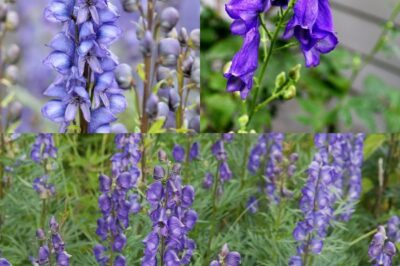
Monkshood: The Stunning Garden Flower That Can Kill — Uncover the Deadly Truth Behind Its Beauty!
Monkshood (Aconitum napellus), also known as wolf’s bane, devil’s helmet, or queen of poisons, is a strikingly beautiful yet highly toxic plant….
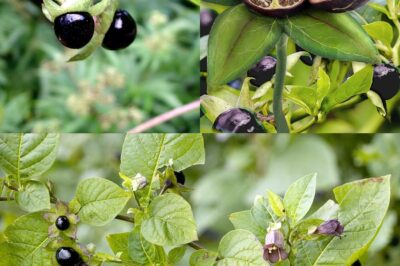
Deadly Nightshade EXPOSED: The Alluring Beauty with a Dark, Poisonous Past That Still Haunts the World Today
Deadly nightshade, scientifically known as Atropa belladonna, is one of the most toxic plants in the world. Its ominous name reflects…
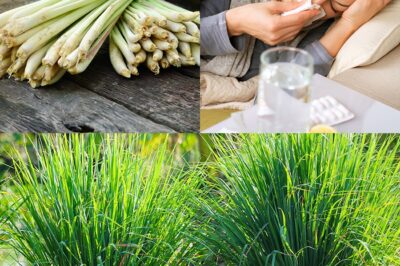
Lemongrass Leaves UNLOCKED: The Ancient Healing Secret with 10 Incredible Benefits You Should Be Using Daily!
Lemongrass (Cymbopogon citratus) is a fragrant herb commonly used in traditional medicine, cooking, and aromatherapy. Packed with essential nutrients, antioxidants, and therapeutic…

Mixing Eggs with Coffee? The SHOCKING Health Benefits Backed by Science You Never Expected!
You may have seen people online recommending a unique combo: mixing raw egg with coffee for a powerful health kick….

Nighttime Bliss in a Glass: This Creamy Banana-Avocado-Lemon Smoothie Is the Sleep Secret You’ve Been Missing!
What if a single, velvety smoothie could melt away the day’s exhaustion, soothe your body, and set the stage for…
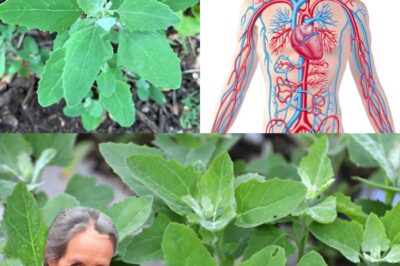
WILD SPINACH MIRACLE: 10 Surprising Health Benefits of Lamb’s Quarters That Your Doctor Never Told You About!
What if the “weed” you’ve been yanking from your garden could be a nutritional powerhouse, quietly holding the key to…
End of content
No more pages to load