Yo, before you chuck those fish heads in the trash like they’re yesterday’s sushi mistake—hold up. You’re literally holding plant gold in your hands, and your garden is crying out for it like a dehydrated cactus in the Sahara. That pile of slimy fish bones? That’s nature’s fertilizer flex. And no, this ain’t some crunchy granola lecture—this is real talk for folks who want fat tomatoes, jacked-up zucchinis, and a garden so lush the HOA starts sweating.
Here are four outrageously effective ways to weaponize your leftover fish bits and turn them into the plant food equivalent of anabolic steroids (minus the scandal).
1. The Underground Protein Bomb (a.k.a. Direct Burying)
This is the “bury the crime scene and walk away” method. It’s dead simple and stupid effective.
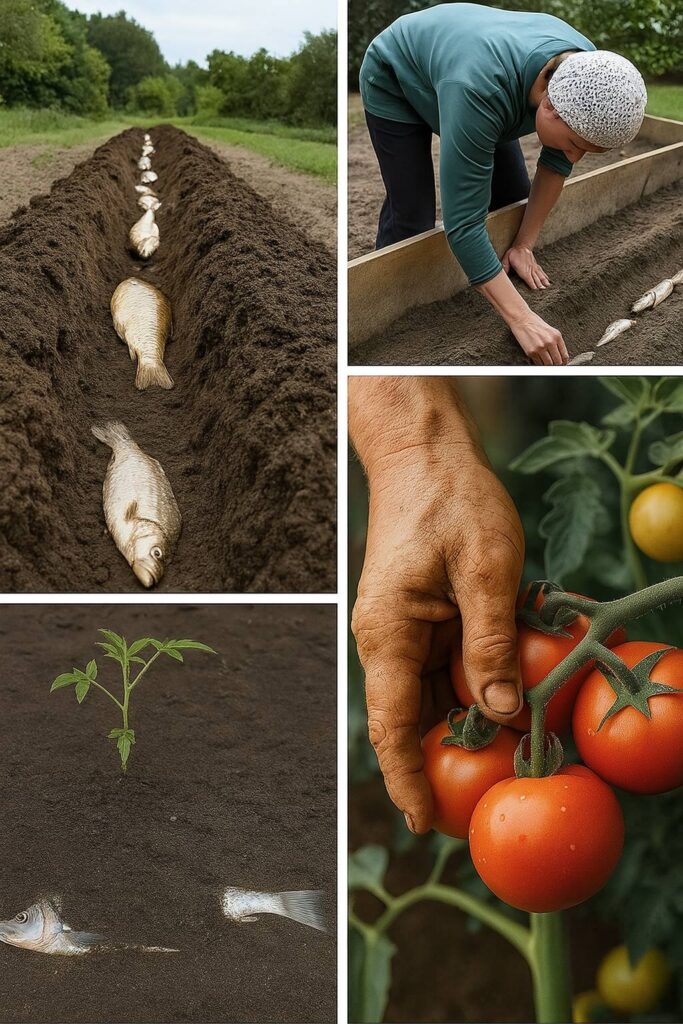
How to Do It:
Snag some unseasoned fish heads, bones, fins—whatever didn’t make it to your plate. (No lemon pepper seasoning, please. Plants aren’t into that.)
Dig a trench or hole about 6–8 inches deep in your garden bed.
Toss the scraps in like you’re offering a sacrificial gift to the garden gods.
Cover it with soil, pat it down, and plant your seed or seedling on top.
Why It Slaps:
Fish decompose sloooowly, so you’re basically feeding your plants a buffet that doesn’t run out. Nitrogen? Yup. Phosphorus? Check. Calcium? More than your overpriced almond milk. Plants will gobble that up like stoners at a taco truck.
2. Liquid Crack for Plants (Fish Emulsion)
This one’s for the mad scientists and backyard alchemists. You’re making your own high-octane fish juice.
How to Brew the Good Stuff:
Throw fish scraps in a large container (with a lid unless you enjoy raccoons).
Add enough water to cover the scraps.
Seal it and let that fishy funk ferment for a few weeks—like kombucha’s nasty cousin.
Stir every couple of days to keep it funky-fresh.
When it’s ready, dilute 1 part of the emulsion with 5 parts water.
Pour it at the base of your plants, not on the leaves unless you want your whole garden to smell like a sushi dumpster.
Why It Rocks:
It’s like giving your plants an espresso shot to the roots. Quick absorption, rapid growth, deep green leaves. Bonus: it makes you feel like a wizard with a potion.

3. Compost That Bites Back
You’re already composting? Cool. Let’s kick it up a notch with some fish funk.
How to Compost Fish Without Summoning Flies from Hell:
Toss fish scraps into the middle of your compost pile—not on top unless you want the neighborhood possum to RSVP.
Mix it with browns like dry leaves, shredded paper, or straw to balance out the nitrogen overload.
Aerate that pile like it’s your job—turn it often so it doesn’t get too hot or too gross.
Let time do its thing.
Why It Hits Different:
Fish scraps jack up your compost’s nitrogen levels like protein powder in a bodybuilder’s smoothie. More microbes, faster breakdown, richer compost. It’s the difference between store-brand dirt and black gold.
4. DIY Fish Hydrolysate (Fancy Name, Hardcore Results)
If you wanna get bougie with your backyard setup, this one’s for you.
The Recipe:
Blend fish scraps with water in a blender (you’ll never use that blender again for smoothies—just warning you).
Add a tablespoon or two of molasses. It feeds the microbes and makes the whole thing less rank.
Let it ferment for a few weeks in a sealed container, burping it occasionally to release gas. Yes, it’s alive.
Strain out the solids.
Dilute 1 part hydrolysate with 5 parts water and boom—apply it to the soil or as a foliar spray.
Why It’s a Power Move:
This stuff is next level. You’re not just giving your plants nutrients—you’re giving them amino acids, vitamins, enzymes, and trace minerals. It’s like a multivitamin smoothie for your kale.
💡 Bonus Tips From the Trench:
Don’t go full fish psycho. Overloading your soil with scraps will unbalance it and smell like you buried a mafia victim.
Bury deep. Six inches minimum. This ain’t a shallow grave, this is a nutrient vault. Keep critters out and smells down.
Respect the compost gods. Carbon-to-nitrogen ratio matters. For every handful of fish, toss in a fistful of browns.
No seasoning! Don’t use cooked, fried, or seasoned fish unless you wanna turn your garden into an ant rave.
Final Thoughts:
If you’ve been treating fish scraps like trash, congratulations—you just leveled up your gardening game. From “Eh, it grows” to “Damn, what are you feeding those things?” You’re not just recycling; you’re reviving your soil, your plants, and your street cred as the neighborhood’s go-to green thumb badass.
So the next time you’re filleting that fish or gutting your dinner, don’t dump the scraps. Give ‘em to the garden. It’ll pay you back in fat tomatoes, thick lettuce, and smug satisfaction when your neighbors ask what fertilizer you use—and you just say, “Fish guts, baby. Straight from the source.”
Now go bury some fish and grow like a boss. 🌱🐟💪
Need a social caption for this? Just ask. Let’s get this stanky wisdom trending.
News

🌿 From Bald Spot to Hair God: How Rosemary, Ginger, and Olive Oil Might Just Be the Holy Trinity Your Scalp’s Been Begging For
Okay, listen up. If your hairbrush looks like it’s auditioning for a horror movie every time you run it through…

Don’t Toss That Corn Silk! Boil It, Sip It, and Watch Your Body Say “Thanks!”
Let’s get something straight: if you’ve been throwing out that shiny golden corn silk like it’s useless trash, you might…

I Started Eating Flaxseeds Every Day—Now My Gut’s Happy, My Skin’s Glowing, and I Poop Like Royalty 💩✨
Alright, y’all. Let’s talk about something small… but mighty. Something your grandma probably had in a mason jar next to…
🧄🍋 Unlock Peak Performance (Without Pills): Why Real Men Are Turning to Garlic and Lemon for Energy, Blood Flow, and That Extra Edge Every Day Needs 💪🔥
Alright, buckle up. We’re about to dive into the most badass kitchen combo since sliced bread—and we’re not talking about…

🥔 STOP Planting Whole Potatoes Like a Rookie — Here’s Why Cutting Them First Can Literally Triple Your Harvest, Save You Money, and Keep Your Garden Healthier Than Ever 💥🌱
Alright, let’s talk potatoes. Not the kind you buy in a plastic bag that’s been sitting in a warehouse since…

🍯💥 Most People Have No Clue What This Combo Can Do: Mix Honey, Lemon, Onion, Garlic & Ginger — Take Just ONE Teaspoon a Day and Watch What Happens to Your Body (It’s Honestly Wild 😳)
Title: Your Morning Spoonful of Kick-Ass Medicine (No Prescription Needed) Alright folks, listen up — we’re about to blow the…
End of content
No more pages to load