Alright, folks—gather ‘round and prepare for a tale of a scrappy plant you’ve probably tossed aside in your yard. Meet horseweed (Erigeron canadensis), aka Conyza canadensis: the tall, gangly green rebel with tiny white flowers that pops up everywhere, from backyard cracks to roadside dirt. Us garden snobs usually label it a nuisance, but here’s the kicker—this humble plant might actually deserve a spot in your wellness arsenal.
Yup. Horseweed has a side hustle: centuries of use for sore throats, tummy troubles, and even skin care. So let’s dive in, cowboy style—should you yank it like a bad ex, or nurture it like a wellness wingman? Saddle up for the nitty-gritty.

1. Meet the Misunderstood Plant
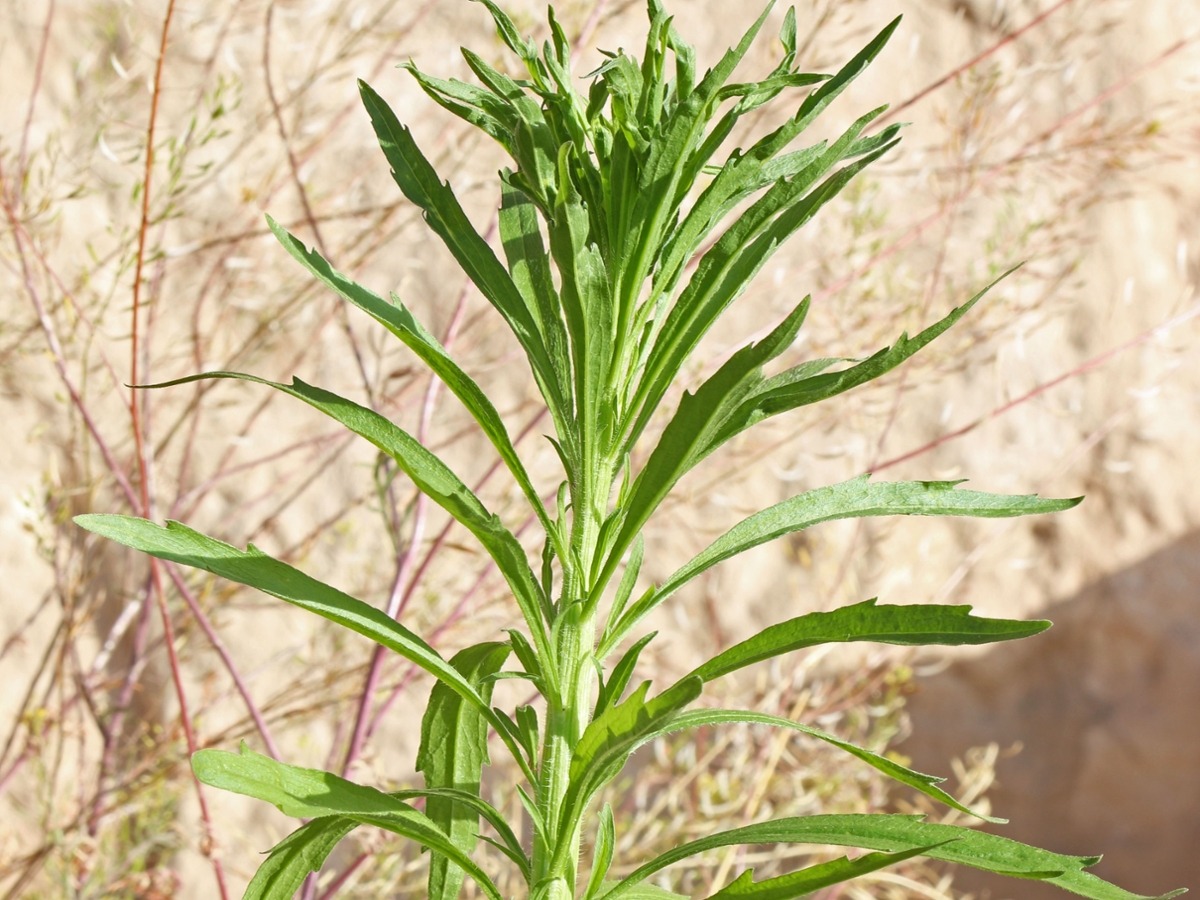
First off, horseweed’s look ain’t winning any beauty contests. It shoots up to 6 feet tall, with bristly stems and clusters of white-pink daisy-ish flowers from late spring to fall. It’s tough—like the gym rat of plants—thriving in poor soil, drought, heck, even concrete cracks. One plant can drop up to 60,000 seeds (no joke), which is why those ‘weeds everywhere’ memes are based in reality.
But here’s where things get interesting: Native Americans and early settlers didn’t dodge this plant—they used it. They believed it helped everything from throats to tummy rumbles. Modern science is just starting to peek at it, but the folklore? Intriguing enough to make you pause before yanking it out.
2. What Our Ancestors Knew
Even though we’re short on big clinical trials, traditional wisdom gives us some solid clues:
Sore throats & congestion: People used it as steam or snuff for respiratory comfort.
Digestive woes: Astringent properties helped with diarrhea and stomach upset.
Minor wounds: Crushed leaves worked as an astringent poultice to reduce bleeding.
Bug defense: Burning horseweed was a go-to for repelling insects.
Nutrient backup: Young leaves, boiled like greens, packed a punch of calcium and phosphorus.
So yeah, our plant pal might sound plain, but it’s been quietly rolling up its sleeves in folk medicine for ages.
3. How to Safely Use the Beast
Alright, before you go wild, let’s be responsible:
ID it right: Hairy stems, long skinny leaves, white/pink daisies. Use an app or chat with a botanist—no wild guesswork.
Pick the young stuff: Early summer leaves are tenderest. Older growth gets bitter and woody.
Protect your skin: Wear gloves—horseweed can be irritating. Trust me, unless you want scratchy arms.
Topical option: Crush fresh leaves, mix with a carrier oil (like coconut), test on your forearm for 24 hours. No burn? You’re good.
Tea route: Dry some leaves, steep 1–2 tsp in hot water for 5–10 mins. One cup daily is chill. Don’t overdo it.
Detox caution: Not a miracle cure—don’t chug it hoping for detox results. Overuse can irritate your gut.
Special groups beware: Pregnant, breastfeeding, or medicated? Ask your doc before experimenting.
4. DIY with Horseweed: Wild Recipes
Got a patch of horseweed? Here are some low-key ways to upgrade your wellness:
Calm-down tea: Dried leaves + hot water; sweeten with honey for sore throats.
Herbal zest: When dried and ground, it adds an earthy, tarragon-like kick to soups and stews.
Skin cool-down paste: Crushed leaves + aloe gel = calming paste for bug bites—rinse after 10 mins.
DIY bug sachet: Toss dried herb in cloth bag; place near your bed (onion-smelling house, but fight back pest season).
Nutrient broth: Toss young leaves into veggie broth for a calcium-rich hydration boost.
5. Want Horseweed to Actually Work?
Medicine just isn’t enough. Try these wellness hacks alongside:
Eat clean: Fill half your plate with colorful produce—baked-in antioxidants.
Hydrate heavy: 8–10 cups of water daily keeps everything flushing smoothly.
Move your body: 150 mins of weekly walking or yoga helps circulation and detox.
Sleep seriously: 7–9 solid hours nightly = immune and gut health supercharger.
Manage stress: Deep breaths or 10 mins of mindfulness daily amplifies any herbal benefit.
Combine smart habits with a weird weed ritual, and you’ve got an herbal plan that actually might stick.
6. Heads-Up on Risks
Hold the horses… horseweed isn’t all sunshine.
Skin flare-ups: Eczema or sensitive skin? That topical paste might burn.
Digestive distress: Too much tea = upset tummy. Moderation is key.
Masking meds: Could interact with diuretics, blood thinners, or thyroid meds—check with your doc.
Picky eaters: Bitter flavors turn people off fast—cold prep helps mellow it.
7. So, What Are You—Weed or Wildflower?
Let me break it down. Horseweed is both weed and wellness wildcard. It spreads like wildfire—so gardeners hate it until they realize its health perks.
If you’re curious, harvest a little responsibly. Make tea. Rub skin paste. Do a night sachet. If it vibes with your system, cool. If not, still yank it from the flower bed.
8. Real Talk: Why Try Horseweed?
🌿 Minimal cost: Just your time and curiosity.
🌿 Eco-savvy pick: A wild, zero-waste remedy waiting to be used.
🌿 Plant power: Feel more grounded knowing what you ingest literally grew under your nose.
9. Your Horseweed Hit List
Here’s your quick plan to see if horseweed is your wellness thing:
-
Identify & harvest early, with gloves.
Dry some leaves for tea and seasoning.
Crush fresh leaves for skin paste; test patch first.
Make sachet for your home.
Use once daily, max.
Watch body reaction—stop if irritations pop up.
Boost with healthy habits all around.
10. Final Take: Nature Loves a Comeback Story
Horseweed might look like a scrappy garden thug, but it’s been quietly working behind the scenes in herbal lore for centuries. Sure, it’s not a Cinderella story—no dramatic transformation into a rose bush. But as a humble healer, it’s got grit and heart.
So next time you see horseweed, don’t reflex-pull. Pause. Consider. Experiment. Add a cup of tea or a dab of paste to your routine.
Whether it becomes your new wellness obsession or just a one-time curiosity—embracing it makes you a better herbalist in training. And hey, pulling it out tomorrow is always an option.
💬 Got horseweed in your backyard? Tried it as tea or poultice? Drop your wild weed wisdom below—we’re all learning together.
Disclaimer: Informational vibes only—not medical advice. Talk to your doc if you’re unsure.
News
🌿 From Bald Spot to Hair God: How Rosemary, Ginger, and Olive Oil Might Just Be the Holy Trinity Your Scalp’s Been Begging For
Okay, listen up. If your hairbrush looks like it’s auditioning for a horror movie every time you run it through…

Don’t Toss That Corn Silk! Boil It, Sip It, and Watch Your Body Say “Thanks!”
Let’s get something straight: if you’ve been throwing out that shiny golden corn silk like it’s useless trash, you might…

I Started Eating Flaxseeds Every Day—Now My Gut’s Happy, My Skin’s Glowing, and I Poop Like Royalty 💩✨
Alright, y’all. Let’s talk about something small… but mighty. Something your grandma probably had in a mason jar next to…

🧄🍋 Unlock Peak Performance (Without Pills): Why Real Men Are Turning to Garlic and Lemon for Energy, Blood Flow, and That Extra Edge Every Day Needs 💪🔥
Alright, buckle up. We’re about to dive into the most badass kitchen combo since sliced bread—and we’re not talking about…

🥔 STOP Planting Whole Potatoes Like a Rookie — Here’s Why Cutting Them First Can Literally Triple Your Harvest, Save You Money, and Keep Your Garden Healthier Than Ever 💥🌱
Alright, let’s talk potatoes. Not the kind you buy in a plastic bag that’s been sitting in a warehouse since…

🍯💥 Most People Have No Clue What This Combo Can Do: Mix Honey, Lemon, Onion, Garlic & Ginger — Take Just ONE Teaspoon a Day and Watch What Happens to Your Body (It’s Honestly Wild 😳)
Title: Your Morning Spoonful of Kick-Ass Medicine (No Prescription Needed) Alright folks, listen up — we’re about to blow the…
End of content
No more pages to load