Prickly Lettuce: The Wild Plant with Surprising Healing Power and Kitchen Potential
We’ve all seen it — that spiky, bluish-green plant growing along fences, fields, or sidewalks. It’s easy to brush it off as just another weed. But what if that wild green actually had centuries of medicinal tradition behind it? What if it could find a place not only in your herbal toolkit, but also in your next stir-fry?
Meet prickly lettuce, also known as Lactuca serriola. This humble plant has a long history of use in traditional medicine and continues to surprise foragers and herbal enthusiasts today. In this article, we’ll explore its background, health-supporting properties, how to use it safely, and even how to turn it into a potent home remedy.
🌿 What Is Prickly Lettuce?
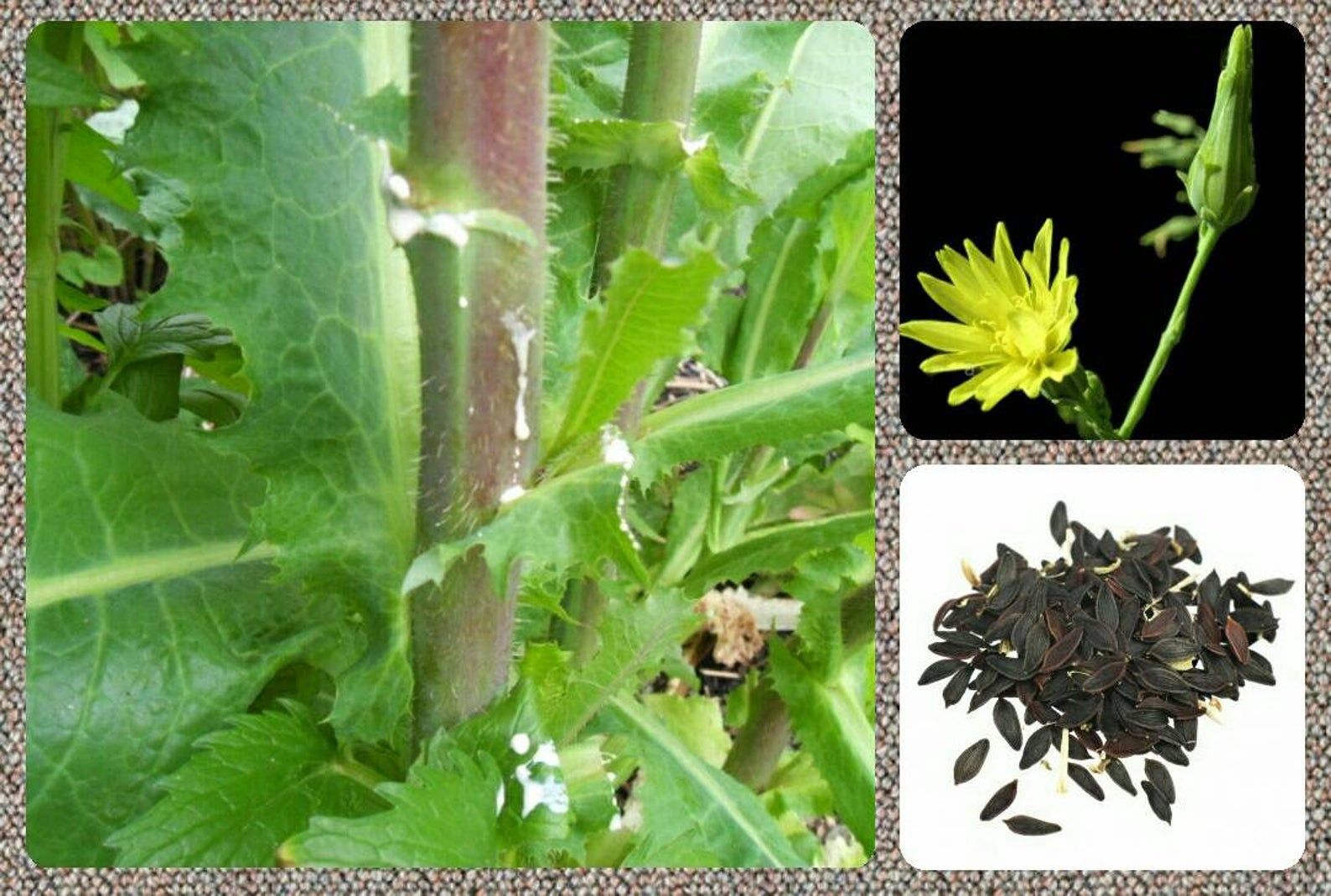
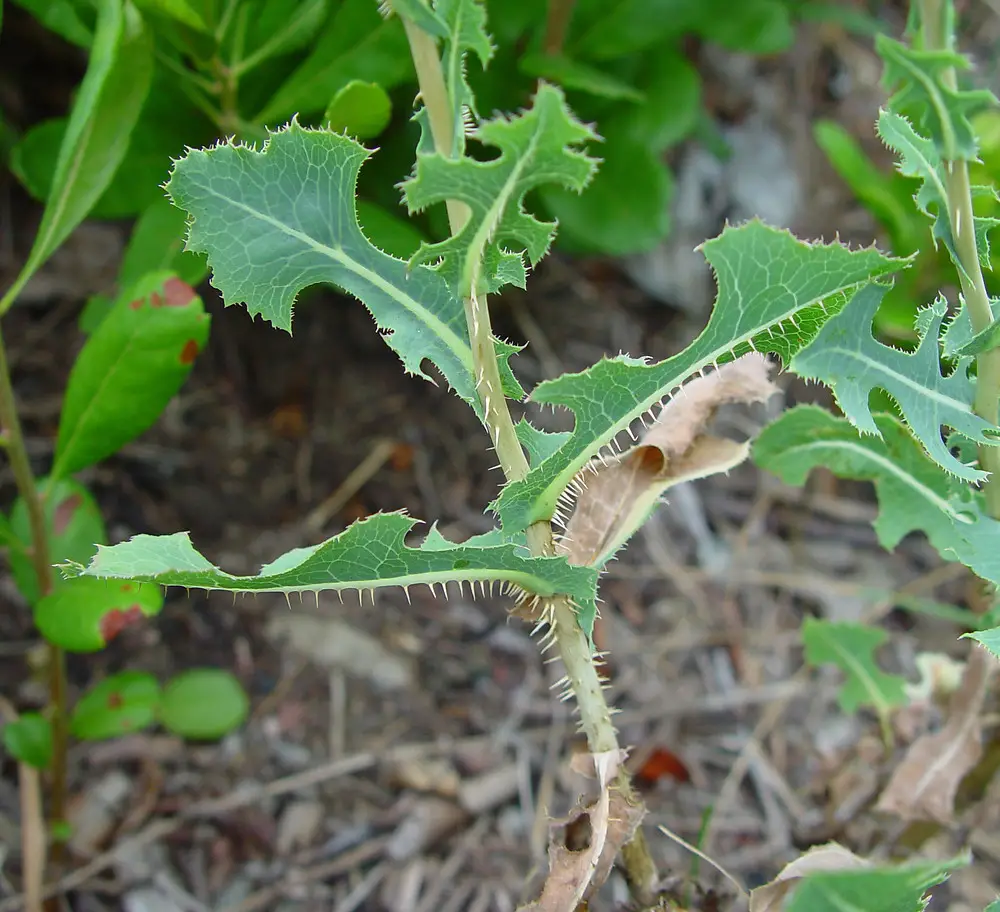
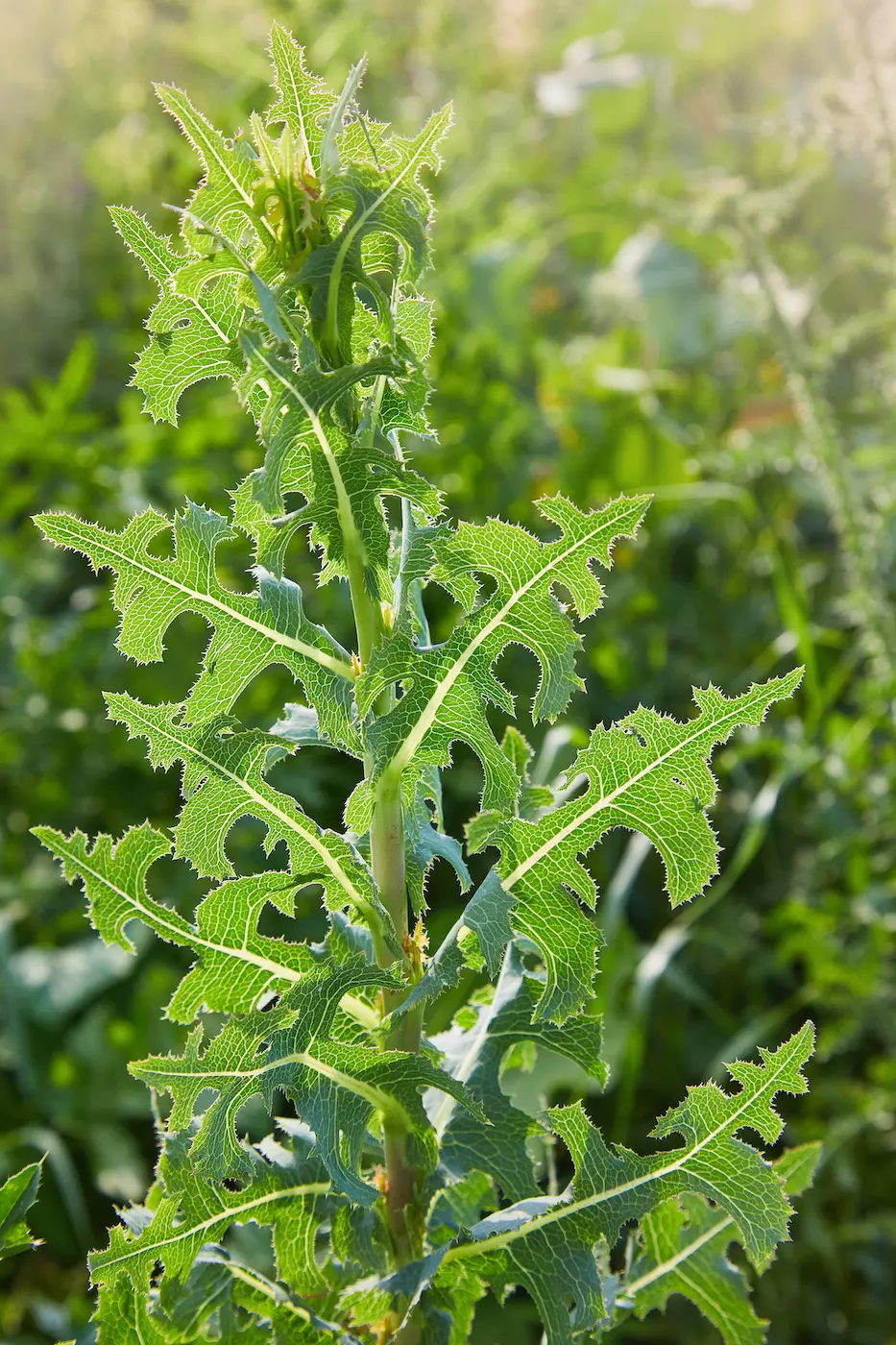
Native to parts of Europe and Asia, prickly lettuce has since made its way around the globe. It’s easy to identify once you know what to look for—tall and slender with bluish-green leaves that have tiny spikes along the spine. In summer, it blooms with small, daisy-like yellow flowers.
But beyond its appearance, it has a rich legacy. Ancient Egyptians and Greeks valued prickly lettuce for its natural sedative effects, and it was often used to calm the mind and body.
🌼 The Good Stuff Inside: Nutritional & Medicinal Highlights
Lactucarium – The Milky Magic
When you break the stem of prickly lettuce, you’ll notice a white sap called lactucarium. This substance is sometimes referred to as “lettuce opium”—not because it’s addictive or harmful, but because of its calming, slightly sedative qualities. Used responsibly, it can be a helpful herbal ally for easing tension, occasional sleeplessness, or nervous energy.
Nutritional Perks
Though it’s not winning any supermarket shelf wars against romaine or butterhead, prickly lettuce still contains helpful nutrients. It provides vitamin A, vitamin K, and iron, supporting immune health, bone strength, and healthy blood flow.
Antioxidant Potential
Some small studies and anecdotal evidence suggest that prickly lettuce contains compounds that help neutralize free radicals—unstable molecules that can contribute to aging and general wear on the body. While more research is always good, this plant definitely shows promise.
🌱 Foraging and Harvesting Tips
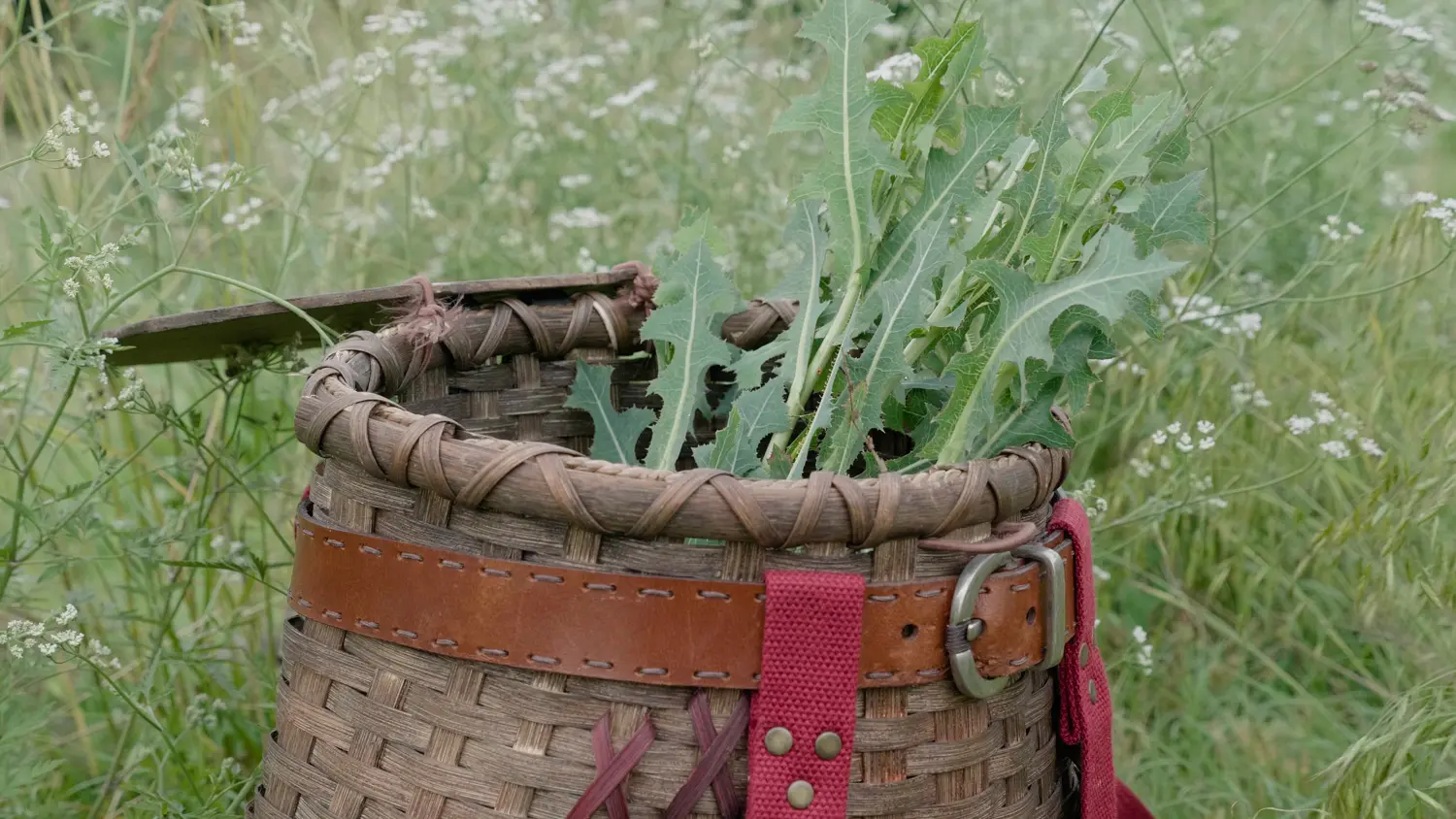
When harvesting for food, stick with young leaves—they’re milder and more tender. Older leaves can taste quite bitter. For medicinal use, you’ll be focusing on the sap from the stem, which is richest when the plant is more mature.
Careful identification is key. There are several wild plants that look similar, and some are not safe to consume. Always double-check before you harvest and, when in doubt, leave it out.
🍵 Medicinal and Culinary Uses
As a Calming Herbal Aid
Prickly lettuce has long been used in tinctures, teas, and poultices to support rest, ease minor pain, or calm a racing mind. The milky sap can be harvested and extracted into alcohol to create a potent home remedy.
In the Kitchen
The young leaves can be tossed into salads, added to soups, or sautéed like you would with spinach or dandelion greens. The stems can even be stir-fried or lightly boiled, though they may need a rinse or two to reduce their bitterness.
🧪 Making a Home Extract: Step-by-Step Guide
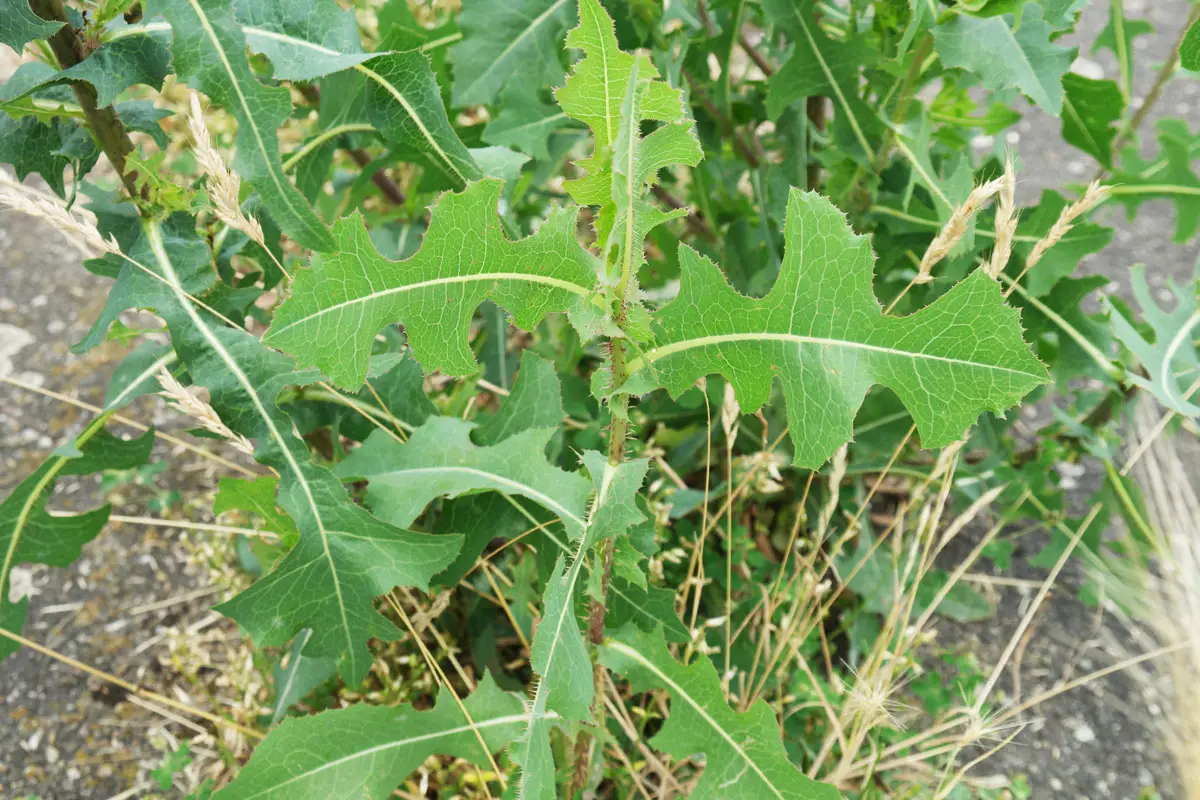
Here’s how one experienced forager creates a wild lettuce extract that preserves the natural compounds and delivers results.
1. Start with the Right Harvest
You can use fresh or dried leaves. For culinary uses, fresh works fine. But for a more concentrated medicinal extract, drying the plant often yields better consistency and longer shelf life.
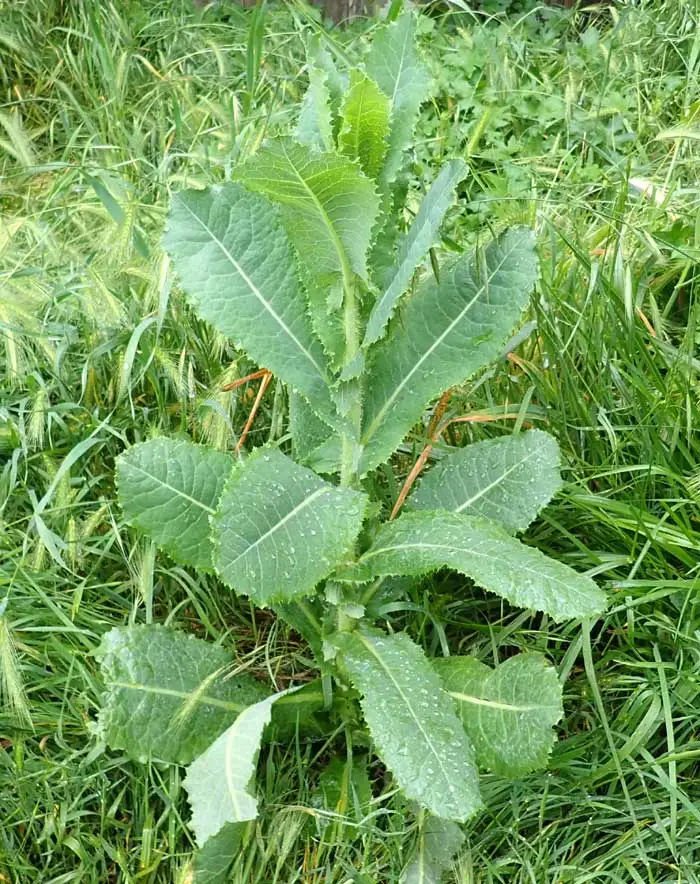
2. Dehydrating for Storage
Drying helps reduce the water content in the plant, which is important if you’re using high-proof alcohol. A dehydrator is the tool of choice—it gives you clean, vibrant results. Sun drying can work, but it’s less consistent.
Once dried, blend or crush the leaves. Use 4–5 times the weight in alcohol (high-proof, like 190) and let it steep in a clean jar at room temperature. This alcohol base is key—it helps extract the most bitter and active compounds.
3. Extracting with Heat (Optional)
Some herbalists add low, gentle heat to boost the process. Keep the temperature below 180°F. A “gummy” layer may form—this is a good sign that potent material is being released.
4. Adding Water
After the alcohol steeping, add twice as much water to the mix and gently heat again, just enough to extract more compounds. Stir occasionally, but don’t boil it.
5. Straining and Concentrating
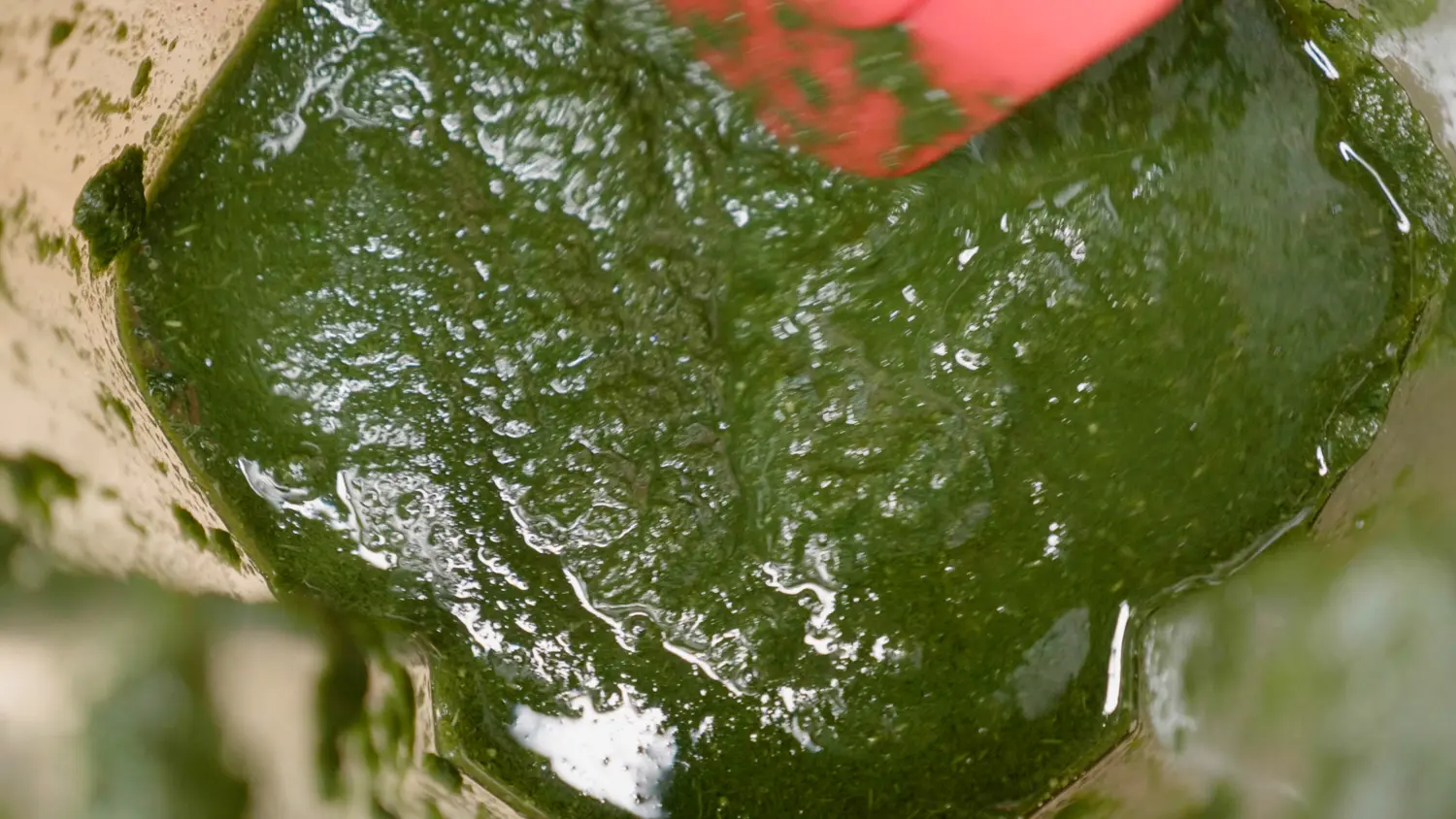
Once you’re done heating, strain out the plant matter with cheesecloth or a filter. What remains is a liquid extract—but it’s too diluted to use as-is.
Simmer the liquid without a lid, keeping it below 180°F until it’s reduced to about 1/8th of its original volume. The goal is a thick syrup, rich in active compounds and suitable for long-term storage.
6. Final Product
You can store this syrup in a jar in the fridge or freezer. If you prefer a resin-like form, dehydrate it at 135°F on a silicone pad. Some people mix the syrup with a bit of alcohol again to keep it liquid and shelf-stable for daily use.
💧 How to Use It
For occasional use, many herbal enthusiasts take 2–3 dropperfuls diluted in water in the evening for relaxation or sleep support. However, because the strength can vary by batch, it’s smart to start small and adjust as needed.
⚠ A Note on Caution
Like with any wild or foraged plant, use respect and care. Always be sure you’re harvesting the correct species, and if you’re new to herbal extracts, consult with someone experienced. While prickly lettuce is generally safe in small amounts, not everyone reacts the same way.
Final Thoughts
Prickly lettuce may look wild and a bit rough around the edges, but it’s one of those plants that proves the old saying true: Don’t judge a book by its cover. Whether you’re drawn to its natural calming effects, curious about its culinary value, or intrigued by the challenge of making your own extract, Lactuca serriola has plenty to offer.
With the right knowledge and preparation, this “weed” can become a worthy ally in your journey toward more natural, intentional living.
News
🌿 From Bald Spot to Hair God: How Rosemary, Ginger, and Olive Oil Might Just Be the Holy Trinity Your Scalp’s Been Begging For
Okay, listen up. If your hairbrush looks like it’s auditioning for a horror movie every time you run it through…
Don’t Toss That Corn Silk! Boil It, Sip It, and Watch Your Body Say “Thanks!”
Let’s get something straight: if you’ve been throwing out that shiny golden corn silk like it’s useless trash, you might…

I Started Eating Flaxseeds Every Day—Now My Gut’s Happy, My Skin’s Glowing, and I Poop Like Royalty 💩✨
Alright, y’all. Let’s talk about something small… but mighty. Something your grandma probably had in a mason jar next to…
🧄🍋 Unlock Peak Performance (Without Pills): Why Real Men Are Turning to Garlic and Lemon for Energy, Blood Flow, and That Extra Edge Every Day Needs 💪🔥
Alright, buckle up. We’re about to dive into the most badass kitchen combo since sliced bread—and we’re not talking about…
🥔 STOP Planting Whole Potatoes Like a Rookie — Here’s Why Cutting Them First Can Literally Triple Your Harvest, Save You Money, and Keep Your Garden Healthier Than Ever 💥🌱
Alright, let’s talk potatoes. Not the kind you buy in a plastic bag that’s been sitting in a warehouse since…
🍯💥 Most People Have No Clue What This Combo Can Do: Mix Honey, Lemon, Onion, Garlic & Ginger — Take Just ONE Teaspoon a Day and Watch What Happens to Your Body (It’s Honestly Wild 😳)
Title: Your Morning Spoonful of Kick-Ass Medicine (No Prescription Needed) Alright folks, listen up — we’re about to blow the…
End of content
No more pages to load