When most gardeners grow radishes (Raphanus sativus), they focus on the roots, harvesting them before they become too woody or bitter. However, if you let your radishes flower and go to seed, you’ll discover radish pods—a hidden gem with unique flavors, culinary uses, and health benefits. Here are 10 reasons why you should let your radishes go to seed instead of pulling them too early.
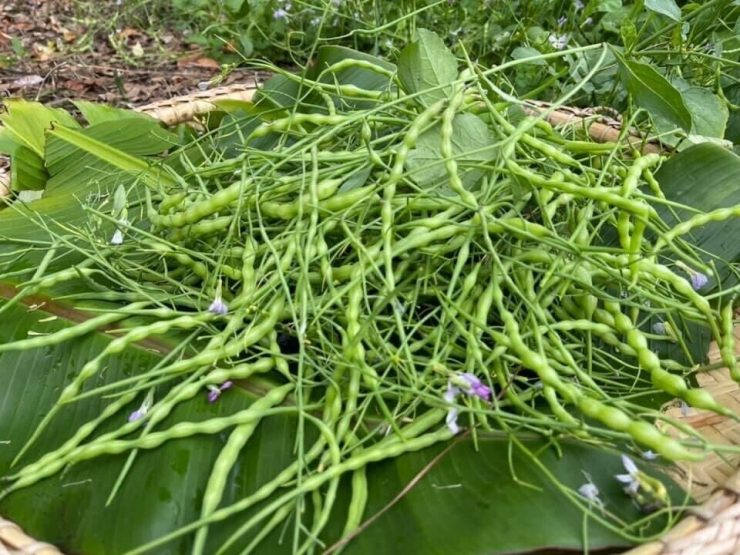
1. Radish Pods Are Edible and Delicious
✔ Radish seed pods, also called rat-tail radishes, have a mildly spicy, crisp texture similar to snap peas.
✔ They add a fresh, peppery crunch to salads, stir-fries, sandwiches, and pickles.
✔ Some varieties, like Raphanus caudatus, are specifically grown for their pods, offering a more delicate flavor than the root.
How to Use:
Eat them raw in salads or as a snack.
Stir-fry them with garlic and soy sauce.
Pickle them for a tangy, crunchy condiment.

2. Higher Yields Than Radish Roots
✔ Instead of harvesting small individual roots, letting your radishes go to seed gives you dozens of seed pods per plant.
✔ You get more edible produce from a single planting, making it a great option for small gardens or high-yield farming.
Best Practice: Let your radishes bolt (flower) in late spring or summer, and soon you’ll have a bounty of seed pods to harvest.
3. Packed with Nutrients and Health Benefits
✔ Like radish roots, radish pods are nutrient-dense and packed with:
Vitamin C – Boosts immunity and supports skin health.
Antioxidants – Helps fight inflammation and free radicals.
Fiber – Supports digestion and gut health.
Potassium & Magnesium – Helps maintain healthy blood pressure and muscle function.
Health Benefit: Eating radish pods regularly can support digestion, detoxify the liver, and promote overall wellness.
4. Supports Pollinators and Beneficial Insects
✔ When radishes flower, they attract bees, butterflies, and other pollinators.
✔ The flowers also draw beneficial predatory insects, like ladybugs and lacewings, which help control aphids and garden pests.
🌸 Tip: If you have a vegetable garden, letting a few radishes flower can improve overall pollination and biodiversity.
5. Great for Companion Planting
✔ Radishes that have gone to seed can serve as trap crops, attracting pests like flea beetles and aphids away from other vegetables.
✔ Their tall flowering stalks provide shade for delicate seedlings growing nearby.
🌿 Best Companions: Grow near tomatoes, peppers, cucumbers, or lettuce for natural pest control and shade benefits.
6. You Can Save the Seeds for Next Season
✔ Radish plants produce hundreds of seeds in a single season, allowing you to save seeds for future plantings.
✔ Over time, you can adapt your radish variety to your specific soil and climate.
How to Save Radish Seeds:
-
Allow the seed pods to dry on the plant until they turn brown and brittle.
Harvest and remove the seeds from the pods.
Store in a cool, dry place for next season’s planting.
7. Adds Variety and Flavor to Your Meals
✔ Radish pods offer a unique texture and flavor, different from traditional radish roots.
✔ They bring a mild spiciness to dishes without being overpowering.
✔ Perfect for farm-to-table cuisine, fermented dishes, and fresh summer meals.
Creative Ways to Use Radish Pods:
Toss into a vegetable stir-fry for extra crunch.
Blend into pestos or chutneys for a peppery twist.
Sauté with olive oil and garlic as a side dish.
Letting your radishes go to seed doesn’t mean your crop is wasted—it opens the door to a whole new world of edible possibilities. Whether you harvest the flavorful pods, save seeds for next season, or attract pollinators, radish plants offer more benefits than just their roots.
News

Monkshood: The Stunning Garden Flower That Can Kill — Uncover the Deadly Truth Behind Its Beauty!
Monkshood (Aconitum napellus), also known as wolf’s bane, devil’s helmet, or queen of poisons, is a strikingly beautiful yet highly toxic plant….
Deadly Nightshade EXPOSED: The Alluring Beauty with a Dark, Poisonous Past That Still Haunts the World Today
Deadly nightshade, scientifically known as Atropa belladonna, is one of the most toxic plants in the world. Its ominous name reflects…
Lemongrass Leaves UNLOCKED: The Ancient Healing Secret with 10 Incredible Benefits You Should Be Using Daily!
Lemongrass (Cymbopogon citratus) is a fragrant herb commonly used in traditional medicine, cooking, and aromatherapy. Packed with essential nutrients, antioxidants, and therapeutic…

Mixing Eggs with Coffee? The SHOCKING Health Benefits Backed by Science You Never Expected!
You may have seen people online recommending a unique combo: mixing raw egg with coffee for a powerful health kick….

Nighttime Bliss in a Glass: This Creamy Banana-Avocado-Lemon Smoothie Is the Sleep Secret You’ve Been Missing!
What if a single, velvety smoothie could melt away the day’s exhaustion, soothe your body, and set the stage for…
WILD SPINACH MIRACLE: 10 Surprising Health Benefits of Lamb’s Quarters That Your Doctor Never Told You About!
What if the “weed” you’ve been yanking from your garden could be a nutritional powerhouse, quietly holding the key to…
End of content
No more pages to load